The Graceful Script That Elevates Every Design Project
There's a moment in every creative project when the typography either clicks or falls flat. You've spent hours refining your color palette, selecting imagery, and crafting your message—but if the font doesn't match the mood, something feels off. That's where a typeface like Blessed Love enters the conversation. It's not just another script font; it's a carefully crafted tool designed to bring warmth, sophistication, and personality to a wide range of creative work.
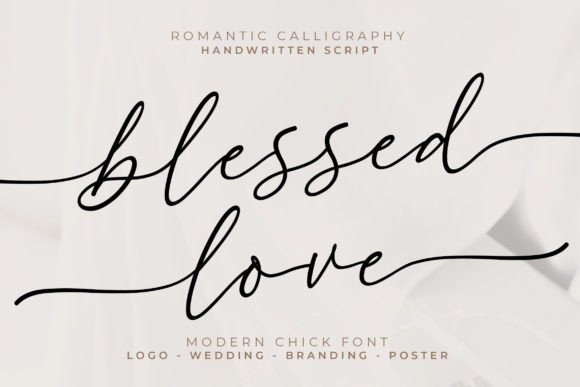
At its core, Blessed Love is an elegant script font featuring graceful letterforms and captivating swashes. It's multilingual, making it versatile for diverse projects, allowing you to communicate effectively in various languages. Whether you're designing a wedding invitation for a bilingual couple or creating packaging for a brand that ships internationally, having a font that supports multiple character sets saves time and ensures consistency across your work.
Why Script Fonts Still Matter in Modern Design
Script fonts have always carried a certain emotional weight. They evoke handwritten letters, personal notes, and moments of intimacy. In an era dominated by clean sans-serifs and minimalist layouts, a well-designed script typeface can cut through the visual noise and make a design feel genuinely human. Blessed Love leans into that tradition while offering a polished, contemporary edge that works across digital and print media.
Think about the last time a piece of packaging caught your eye at a boutique. Chances are, the typography played a significant role in drawing you in. A script font like this one communicates care, craftsmanship, and attention to detail—qualities that resonate with consumers on a subconscious level. For small business owners and entrepreneurs, that kind of visual shorthand is invaluable.
Where Blessed Love Truly Shines
One of the strongest aspects of this typeface is its range of applications. It's not a one-trick pony designed only for wedding invitations or greeting cards—though it certainly excels there. Here's where you might find it particularly useful:
- Brand Identity: If you're building a lifestyle brand, a beauty line, or a boutique service, this font can become a cornerstone of your visual identity. It communicates elegance without feeling stuffy or inaccessible.
- Logo Design: A script logo feels personal and approachable. For bakeries, florists, photographers, or wellness brands, Blessed Love offers letterforms that feel distinctive without being illegible.
- Packaging Design: Product labels, box designs, and hang tags benefit enormously from a premium font that feels handcrafted. The swashes and alternate characters give you flexibility to customize headlines and product names.
- Social Media Graphics: Instagram quotes, story templates, and promotional posts all need typography that stops the scroll. A script font with personality can make your content feel more curated and intentional.
- Websites and Blogs: While body text should remain readable in a sans-serif or serif font, using a script typeface for headers, pull quotes, or section titles adds visual interest and guides the reader's eye.
- Invitations and Event Materials: From weddings to corporate galas, event collateral demands a typeface that feels special. This font delivers that sense of occasion without requiring custom hand-lettering.
- Editorial Layouts: Magazine features, lookbooks, and digital publications can use script fonts for drop caps, chapter titles, or accent text to break up dense content and create visual hierarchy.
- Merchandise and Print Products: Tote bags, mugs, stationery, and art prints all benefit from typography that feels personal and giftable.
- Marketing Assets: Email headers, sale banners, and promotional flyers gain a refined touch when paired with a script typeface that balances beauty with clarity.
Pairing Typography for Maximum Impact
A script font rarely works in isolation. The most effective designs use font pairing—combining two or three typefaces that complement each other—to create visual depth and hierarchy. Blessed Love pairs beautifully with clean sans-serif fonts for a modern contrast, or with classic serif typefaces for a more traditional, editorial feel.
Here's a practical approach: use your script font sparingly for headlines, names, or accent phrases. Pair it with a neutral sans-serif for subheadings and body copy. This prevents the design from feeling cluttered while ensuring the script elements stand out. Test your pairings at different sizes and on different backgrounds to confirm readability holds up across contexts.
When selecting a font pairing, consider the mood you're trying to set. A warm, rounded sans-serif alongside a flowing script creates a friendly, approachable vibe—perfect for a bakery or a lifestyle blog. A geometric sans-serif paired with an ornate script creates tension and sophistication, which works well for fashion brands or luxury packaging.
Readability: The Non-Negotiable
It's easy to fall in love with a beautiful script font and overlook practical concerns. But readability should always be a priority, especially when your text needs to communicate essential information. Blessed Love's letterforms are designed with legibility in mind—the connections between letters feel natural, and the character spacing avoids the cramped, tangled look that plagues many script typefaces.
That said, context matters. A script font works wonderfully for short headlines, logos, and decorative text. It's not the right choice for long paragraphs or small body copy. Use it where it has room to breathe—large sizes, generous spacing, and clean backgrounds will let the font's elegance come through without sacrificing clarity.
If you're designing for screens, test the font on multiple devices and resolutions. What looks stunning on a desktop monitor might lose detail on a small phone screen. Adjust your sizing and spacing accordingly, and consider offering alternate text treatments for mobile layouts.
Making the Most of Included Styles and Alternates
Many premium fonts ship with more than just the basic alphabet. Look for alternate characters, ligatures, swashes, and stylistic sets that let you customize the look of your text. Blessed Love includes these features, giving you the ability to tweak letterforms so your design feels unique rather than generic.
Experiment with different swash options for initial and terminal letters. Swap in alternate lowercase characters to change the rhythm of a word. These small adjustments can make a headline feel like it was hand-lettered specifically for your project—a powerful differentiator in crowded markets.
Take time to explore the full character map before starting a project. Knowing what's available helps you plan your design more intentionally and avoid the frustration of discovering a perfect alternate after you've already finalized your layout.
Licensing and Commercial Use
Before using any font in a commercial project, review the licensing terms carefully. Most premium fonts allow use in client work, products for sale, and digital downloads—but specific restrictions vary. Confirm that your license covers the intended use, especially if you're creating merchandise, templates, or digital products that will be distributed to others.
For designers working with multiple clients, an extended license or a font family bundle often provides better value and broader usage rights. Keeping your licensing organized protects both you and your clients from unexpected issues down the road.
Bringing It All Together
Choosing the right typeface is one of those decisions that quietly shapes the entire feel of a project. A font like Blessed Love offers more than decorative appeal—it provides a foundation for visual storytelling that connects with audiences on an emotional level. Its graceful letterforms, multilingual support, and versatile character set make it a practical addition to any designer's toolkit, whether you're building a brand from scratch or refreshing an existing identity.
The best typography choices feel effortless to the viewer. They don't announce themselves as design decisions; they simply make the whole experience feel cohesive, intentional, and inviting. When a script font strikes that balance between beauty and function, it becomes more than a design asset—it becomes part of the story you're telling.