Golf Club: The Cool Display Font for Creative Projects
There’s a certain energy you get when you find a typeface that just clicks. It’s the feeling of finding the missing piece to a puzzle you didn’t even know you were solving. For designers, crafters, and brand builders, this moment is pure gold. It’s when a project transforms from a collection of ideas into something with a distinct personality. A font like Golf Club, an incredibly cool decorative font, often provides that spark. Whether you’re crafting a custom logo, designing DIY wedding invitations, or building a brand identity from scratch, the right typography does more than just display words—it sets a mood, tells a story, and makes your creation memorable.
More Than Just Letters: The Personality of Golf Club
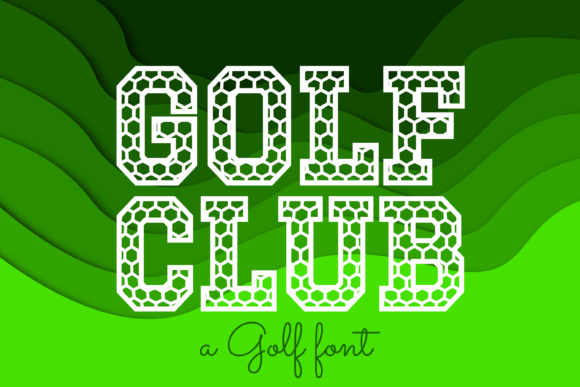
At first glance, Golf Club presents a fascinating blend of styles. It carries the confident, structured weight of a classic serif font, but with a distinct modern twist that feels fresh and approachable. The letterforms have a subtle flair, with just enough character to be interesting without sacrificing clarity. Think of it as the typographic equivalent of a well-tailored blazer with a colorful pocket square—it’s professional, but not stuffy. This makes it a versatile player in your design toolkit. It can anchor a luxurious brand identity for a boutique hotel or add a touch of sophisticated fun to the packaging for a gourmet food product. The key is its balance; it commands attention in headlines and logos while remaining legible enough for shorter blocks of text in editorial layouts or on websites.
What truly sets a premium font like this apart is the detail in its design. You’ll often find thoughtful variations, like different stylistic sets or alternate characters, which allow for customization. This means you can tweak the look to perfectly match your project’s vibe, ensuring your designs feel unique and intentional. It’s this level of craft that elevates a project from homemade to professionally polished.
Where This Creative Font Truly Shines: Practical Applications
The real test of any typeface is how it performs in the wild. Golf Club’s decorative yet readable nature opens up a world of possibilities across both digital and print mediums. It’s a typeface that understands the need for visual impact in a crowded marketplace.
- Branding & Logo Design: A logo is the cornerstone of a brand’s visual identity. Using a distinctive display font like Golf Club for a wordmark or logotype can instantly convey personality. It’s an excellent choice for businesses in lifestyle, hospitality, or artisanal goods that want to project an image of curated quality and style.
- Packaging & Merchandise: On a shelf or in an online store, packaging has seconds to make an impression. This font’s cool factor can make product labels, box designs, and merchandise like tote bags or apparel stand out. It suggests a brand that cares about aesthetics and detail.
- Digital Presence: In the fast-scrolling world of social media, a strong visual hook is everything. Golf Club is perfect for creating eye-catching Instagram graphics, Facebook ads, or Pinterest pins. For websites and blogs, it works beautifully for main headlines and subheadings, establishing a strong visual hierarchy that guides the reader’s eye and improves overall readability.
- Print & Editorial: Think beyond digital. This font brings life to event posters, restaurant menus, magazine layouts, and book covers. For invitations to weddings, galas, or corporate events, it adds a layer of elegance and excitement that a standard font simply can’t match.
Pairing and Practicality: Making It Work for You
Introducing a new font into your workflow is about more than just liking how it looks in isolation. Successful typography is about harmony and function. A major part of using Golf Club effectively is understanding how to pair it. As a strong display font, it naturally pairs well with a cleaner, more neutral sans serif font for body text. This contrast creates a pleasing visual rhythm and ensures your message is communicated clearly. For example, pairing a bold headline in Golf Club with a simple sans serif like Lato or Open Sans for paragraphs creates a balanced and professional look.
Before committing to a font for a major project, always test it in context. Mock up a logo on a business card, place your headline on a website layout, or see how it looks on the side of a coffee cup. Check the readability of the font at different sizes, especially for longer text passages. Most font designers provide a range of weights and styles—take the time to explore these options. You might find that the light or italic versions offer a different feel that’s perfect for a secondary element in your design.
Finally, a crucial step for any commercial project is to review the licensing. A truly professional font will come with clear licensing terms that cover commercial use, ensuring you’re legally protected for client work, merchandise sales, or monetized content. This is a non-negotiable part of using design assets responsibly and is a hallmark of a quality typeface.
Ultimately, the goal is to find tools that help you communicate more effectively and bring your creative vision to life. A versatile and stylistically interesting font like Golf Club is one such tool. It offers a blend of personality and practicality that can help strengthen brand recognition, create more engaging visual content, and give your projects the professional edge they deserve. It’s about adding that lovely touch that makes people look twice and remember what they saw.